What
This Is…
Issue #59- April 22, 2012
In this issue: Get Involved, Recall News, Public
Education From One School's Perspective
Get
Involved…
Today we are only 16 days away from the primary
elections and 44 days from the general recall election. There's not much time left and a lot of work
to be done if the recall efforts are to succeed. There are many ways to get involved, you can
volunteer for a specific candidate or devote your time to a more general
organization. Whatever your choice is,
now is the time to commit to making the recalls successful.

Need some evidence that grassroots efforts can
succeed. Look at the effect we can have
if we apply our efforts collectively.
How you spend your money is a form of political activism.
It's
not just political candidates that need our support. Other organizations are working to help
promote public education and are actively working to help schools in many
ways.
As if there wasn't enough
going on, it's budget season for the Madison
Public School
system. We can't forget to make sure all
voices are heard as the school board prepares to finalize the budget for next
year. This budget has implications for
many important issues like the proposed plan to address the Achievement Gap as
well as the potential for increased employee contributions to insurance
payments.

Recall
News…
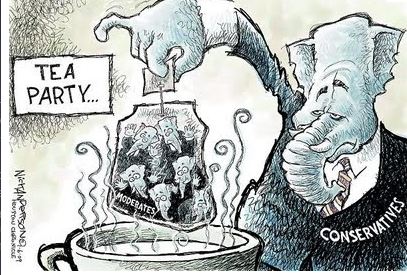
Conservatives will continue to attempt to derail the
recall effort through a variety of tactics and misinformation. We can't allow ourselves to be distracted or
allow others to be misled by the propaganda spouted by the GOP and their
supporters. The recall effort is
justified and the Walker agenda isn't working
for Wisconsin.

I must admit that I've
been struggling to decide which candidate to cast my ballot for in the primary
on May 8th. My heart goes with Falk or
maybe Vinehout, my head says Barrett. As
the election draws ever closer I know that I need to start working to support
one of the candidates. This recent poll
is helping me begin to cement my allegiance to Falk. I won't worry about the fact that all the
Democrats trail Walker in this poll, I'll wait until after the primary to pay
close attention to those numbers, but the fact that Falk and Barrett poll so
closely makes me question my thinking that Barrett is the better candidate
statewide.
Does
this mean that we finally have some clarity in the rules for voting in the recalls? Not yet, but we're getting closer.
Public
Education- One
School's
Views…
These are difficult times
to be a public educator in Wisconsin. Public education is under attack in a variety
of ways and is facing challenges from all sides. While the attacks aren't anything new, the
intensity of the anti-public education policy and rhetoric has reached an
incredibly high level in recent years.
Public education is supposedly failing in nearly every measurable way
and we are facing a crisis of epic proportions (if you believe all the hype in
conservative and mainstream media).

So called
"experts" spout data to support their claims that public education is
a failed dinosaur that needs either significant "reform" or even
better, simply to be ended as a failed public policy. Political leaders focus on the financial
aspect of education and tout the savings that privatizing schools and breaking
educator unions will give our state and local budgets. The conservative propaganda machine has
kicked into high gear and has made public education one of the top causes of
our state's financial and societal woes.
Politics in Wisconsin has become a
very brutal and nasty world to inhabit.
Public educators are reluctantly being drawn into the political
sphere. This is primarily due to the
upheaval caused by the passage of Act 10 and the subsequent conflict regarding
public unions and worker's rights. The
political world is one where style is valued over substance, something that
most educators are not very comfortable with.
Most of us simply go to school every day and do everything in our power
to help our students and their families.
It's not a flashy job, on the contrary educators are often behind the
scenes and rarely get much credit for the work we do.
It's because of this
behind the scenes mentality that educators have made such good targets for
conservative politicians. They have
relied on the fact that we care enough about our students that we will work
more, get paid less and go the extra mile for Wisconsin's children even as politicians
savagely attack our status as professionals.
Imagine their surprise when, last February, we stood up and decided to
fight back. No wonder their attacks have
increased in volume.
What about these educators
that the GOP likes to vilify? We all
know that it's easier to attack a group of people and create a stereotype of a
particular demographic. Educators have
been portrayed as lazy, incompetent, and greedy. Our actions in the political realm have been
labeled self-interested and even anti-American.
Our professional actions have been "proven" inadequate and
discriminatory. However, most
Wisconsinites know very little about what happens in schools and what educators
do. Instead of first-hand knowledge they
rely on the media and other sources for their information. Public educators go to work each day in a
setting that is very different from what most citizens imagine.
As one of the union reps
for my school I spent the last couple of months talking to every professional
educator in the school I work at. I had
short, individual conversations with every educator and hourly employee about
their concerns and hopes for education.
The picture that one gets from these conversations is very different from
the one that is presented in other venues.

I should note that this
information is from one school in a metropolitan area and shouldn't be viewed
as representative of all educators everywhere.
However, my school has a wide range of political beliefs, different
levels of union activism and provides a perspective that isn't much different
from many schools in Wisconsin.
Because of the amount of
information I gathered from my staff I'm breaking up my summary of the
conversations into two parts. This week
I'll share the general attitudes and concerns my staff have. Next week I'll focus on their solutions to
the problems and their ideas for maintaining union solidarity in our building
(along with my inevitable editorial comments).
We have concerns about the political events in Wisconsin. Conservatives
would paint a picture of a MMSD teacher as a liberal radical who comes to work ready
to indoctrinate the youth of our city by day while screaming, drumming and
chanting all night. Instead most people
I talked to were not enjoying our current political climate and were concerned
about the future of politics in our state.
Many saw the recall movement as a necessary response to the actions of
the GOP, but not as a desired way of doing political business. In other words, if Walker and the GOP had
negotiated and not been as radical in their actions most educators would have
maintained the status quo and not become political activists.
However, now that the
process has started the general consensus is that it is vital that the recall
efforts succeed. Without regaining some
control in at least one branch of government educators see a bleak future for Wisconsin. The concern is that Governor Walker, if his
power is unchecked, will completely undo the last century of efforts to protect
the rights and privileges of common citizens in Wisconsin.
Even within that consensus there was still some division as to who the
best candidates are and the endorsement process followed by MTI (important to
note that MTI follows a set procedure for endorsing candidates and still hasn't
endorsed a Democrat for governor).
There were also divisions
within the staff about actions like the protests of last February and whether
MTI should be heavily involved in political actions. The staff at my school should be commended
for their ability to look beyond the political views of their colleagues and
work together respectfully. No matter
what political views or ideological persuasion an individual has we recognize
that our primary focus at school is on our students and our jobs, not our
politics. Clearly an image that doesn’t fit the distorted view of an educator
portrayed by conservatives. An image of
a group of people who only do what the "union bosses" tell them to do
and who are incapable of seeing an alternative point of view.
We are concerned about the future of public
education in Wisconsin. Educators
at my school see a bleak future ahead for public education unless we can
reverse current trends. At the top of
the list of concerns is the problem of funding for our schools. Educators recognize that until we can find a
way to adequately fund our public schools we will continue to see cuts to
staff, programs and services. This is a
huge part of the "big picture" that dominates any discussion about
our public school system. It also ties
in to the larger issues of the unequal distribution of wealth in our society
today. The facts point towards a system
where the rich lobby their representatives and get richer while the rest of us
just keep working to stay afloat as best we can. Don't our schools deserve better?

There is also significant
concern about the privatization of our schools.
We saw the way that the discussion about Madison Prep influenced the
public perception or our schools and how it is possible for different groups to
infiltrate our education system to gain access to public funding. Privatization is viewed as a negative,
backward step in education "reforms" and should be resisted to the
greatest extent possible.
We value our union, but not unquestioningly. Many
staff members expressed strong support for our union and the things that it has
done for educators and education in Madison. The idea that the union has "had our
back" and protected us while getting things that we now take for granted
like planning time, salary schedules and reasonable work hours. It is clear that most members recognize the
need for the protections we have earned in our current contracts. Without our contracts we are extremely
vulnerable to principals and school boards.
Many of these members expressed a desire to make sure the union
recertifies and would gladly pay dues to keep our union functioning. They also valued the democratic process followed
by MTI and the ability of members to influence decision making collectively.
At the same time there are
members who have issues with MTI or who don't recognize a strong need for union
representation. As with any organization
there is no possible way for everyone's needs to be met perfectly and this can
lead to dissatisfaction. Hourly
employees of the MMSD have legitimate complaints about their contract language
and are one example of a group that has been significantly impacted by current
events. Younger educators are also not
as aware of what teaching could be like without a contract and some wonder if
the union is necessary. There is also an
element of disbelief that this is happening and a feeling of safety for some Madison educators. This leads to a sense of "that can't
happen here" as the news about draconian handbooks from other districts
comes out.
There is also confusion
about what a union can do for its members under the conditions imposed by Act
10. "What will our representation
look like?" is a common question asked by educators. Yet after more discussion almost every member
recognized some way that their union had helped them, either through legal
representation, contract language or some other method of support. Along with this realization comes a renewed
interest in preserving and protecting our strength as a labor
organization.

All of this leads members
to believe that, while our union has been beneficial to us, there are also additional
ways that we can improve our standing, financially and professionally. There is a curious mixture of despondence and
hope about our union's future in my school.
On one hand there are the understandable feelings of despair and fear
that go with the continuing assaults on our profession and our rights as
workers. However, there is also the
sense that we can emerge from this time of turmoil stronger and with a renewed
sense of purpose.
We have significant concerns about what the future
looks like for Madison
educators. With all of the changes in legislation and the
impact of these "reforms" on educators wages and working conditions
it is no wonder that educators at my school are worried about their ability to
continue working in schools. In fact
several educators talked about needing to leave the profession because of the lost wages and benefits. The sense that we will never fully recover
from the recent cuts to our incomes resonates strongly with educators in my
building. There is also significant
concern about what the current climate will do to future educators and whether
qualified individuals will want to join our profession.
Despite the image of
overpaid educators with lavish benefits, many educators at my school are
struggling. Several haven't had a pay
raise in several years, while others have situations that are made more
confusing because of recently negotiated agreements. Changes in our health insurance coverage are
also of significant concern as members worry about changing plans and being
able to afford to keep seeing the medical specialists their health needs
require.
The current climate makes
it difficult for educators to plan for their own futures. Some are wondering if they should pursue and
advanced degree or if the money invested in their own education will be
"wasted" as qualifications for teaching are changed. Others who are interested in starting/expanding
their families or who have other personal concerns worry about job share
benefits and family leave. MTI members
donate part of their sick leave to a "sick bank" that other members
can access for extended leave needs. It
is a concern that this benefit might be lost and members might end up with
significant financial concerns if they face an illness, a sick family member,
or maternity leave.

Fears about retirement
benefits are significant among staff members.
Educators who have worked for years under the assumption that their
retirement benefits were secure are now worried about their future. Educators worry the Wisconsin Retirement
System will be "looted" like other funds in other states have
been. There is also apprehension about
our sick leave benefits and what happens to sick leave that individuals have
accrued.
Our concerns are not just
financial in nature. Another significant
area of concern is that of how teacher evaluations will be handled in the
future. We have already seen new
initiatives from the district that call for more direct observation of our
teaching methods and strong directives about how we should be teaching. Even more concerning to educators is the
potential for using test scores as an evaluative tool for educators. Along with concerns about evaluation there
also exists a strong anti-merit pay sentiment among educators. While seniority may not be a perfect method
for determining salary, it remains a stabilizing and highly supported part of
our contract.
Most of the anti-union
rhetoric has focused on wages and benefits, but those are only a portion of the
things a union does to represent its members.
Along with the financial benefits, MTI has also worked hard to make the
MMSD a place where employees are respected as professionals and are treated
fairly. Staff at my school is worried
that with the loss of our collective bargaining agreement other changes will
take place that will damage the climate in our schools. Things like class size, hours and scheduling
(for classroom and specials teachers), caseloads for specialists, school and
grade level assignments, planning time, what a reasonable workload is and many
others are currently regulated in our collective bargaining agreement. All of these items and more will be open to
virtually unilateral control by the school board in 2013 when our CBA
expires.
We are feeling stretched, overworked, over-managed and disrespected as
professionals. A common concern raised in discussions with staff is
the feeling of top-down management and forced implementation of too many new
initiatives. As elementary teachers we are receiving professional development
in math, language arts, classroom management, culturally responsive classrooms,
science, social studies and more. The
amount of new material is overwhelming and we aren't able to implement
directives effectively.

In addition the existing
knowledge of our experienced staff is often discounted in favor of a new
program or proposal. While staff
recognizes the positive potential of many of the ideas we are presented with,
we also feel that we have the ability to utilize our existing skills in
conjunction with new methods of teaching to make our students even more
successful. Every school in Madison has subtle
differences in clientele and staff and a top-down approach ignores these in
favor of district uniformity.
Many of these initiatives
are implemented with little, if any, additional support. When support is offered there is concern
among educators that eventually it will be eliminated and we will be left with
more to do and fewer resources to do it with.
There is a strong sense that current education
"reforms" actually do little to help our students. The
current emphasis of "educational reforms" focus on a "back to
basics" mentality. Many educators
are worried that "specials" like art, music and physical education
will be phased out as more and more time is spent on "testable"
subjects. Even science and social
studies are taking a backseat to literacy and math as more and more
"accountability" is required for our schools. We are given new standards and new guidelines
on a frequent basis and little consistency exists for us or for our
students.
Educators are losing
control of our curriculum and are being told what and how to teach. Our directives often come from individuals or
organization with limited ties to a community.
Frequently these "products" are sold to a district by
salespeople who either haven't been educators or who have been out of the
classroom for significant amounts of time.
We are grappling with issues around a more diverse
student body and with students who have exceptional/special needs. There
is no doubt that the needs of our students are more intense now than they were
in the past. We have seen an increase in
the number of students with significant physical, emotional and other
needs. The safety of all who enter our
school buildings is of primary concern for all educators and we know that we
face serious challenges in this area. We
face the challenge of educating students who may have serious issues in their
mental or physical health and educators need the support of everyone involved
to meet these student's needs. This
means that all professionals involved with a student need to be informed about
the student and that communication between staff, family and others must be
open and direct. We must consistently
and fairly enforce district discipline policies and support each other in our
efforts to help students grow into responsible members of society.
As school budgets have
been cut, the number of students who need support has increased. Whether their needs are based on biological,
environmental or societal causes doesn't change the fact that these students
require additional support and extra staff time. One group of professionals who have been
dramatically affected by budget cuts are our SEA's (Special Education
Assistants). This group has seen their
take home pay decrease, their hours worked decrease and their responsibilities
increase. Staff at my school would like
to see our SEAs allowed to be more involved with the planning and
implementation of programming for our students with special needs. We also recognize the need for students to be
supported in all environments while at school (recess, lunch, specials, etc.)
The demographics at my
school have changed significantly over the last decade. We've seen a rise in the number of students
who receive free/reduced lunch by 250%.
At the same time our number of students who are learning English as a
second language has increased. All of
this has put additional pressure on educators to develop new procedures and
curriculum to engage different learners at a high level. This means that we need more support staff
and new materials to support our students in their academic efforts. We also need time and support to reach out to
families who may need additional communication about school related topics and
issues.

Of course all of these
issues tie in with the current discussion about the Achievement Gaps in the
MMSD. Staff at my school supports making
changes in how we deliver instruction, but are also concerned that we will see
radical changes to our school system. Most of us have difficulty imagining how
our younger students (and our less mature students) will manage an extended
school day with fewer opportunities to move (less recess, PE, etc.). We also recognize that our students are most
engaged when given an opportunity to explore different topics and
subjects. For example, our outdoor
education program (utilizing the wonderful space around our school) is an
excellent opportunity for our students to learn in an active way. How will that fit a strict, regimented
approach to education directed from high level administration?
Educators at my school are
open to training in culturally relevant practices and are interested in
developing new skills and strategies to help make all students feel welcomed
and supported in school. We also
recognize the challenges in trying to accomplish this task in classrooms that
are very diverse. We would like to have
the opportunity to learn from other schools and educators in our district and
see how they have been successful addressing the needs of their students.
Our nursing staff and
other educational personnel are often equivalent to a "first
responder" for health care, mental health services and other specific
needs that students and their families have.
They are often the ones to diagnose a sick child, take a child to an
appointment or assist with negotiating through our social service
bureaucracy. This is a tremendous amount
of responsibility in addition to creating an environment suitable for learning
and as such deserves a great deal of respect from our community.
It is difficult (if not impossible) to separate the
needs and concerns that educators have with those of our students, their
families and the community at large. It makes sense that the educators who are committed
to their students share similar concerns with the families and community
members in our school's attendance area.
As one protest sign said, "My working conditions are your child's
learning conditions".
At the same time educators
face the challenge of communicating their efforts to the families and community
they serve. Many of our traditional
methods are not "family friendly".
For example our report cards are extensive and complex. A 2/3 teacher with 18 students will enter in
684 specific grades for one set of semester report cards. This means that each student will receive 38
grades from their classroom teacher.
This is a lot for a family to sort through and a lot for any educator to
record.
Many educators wonder how
we can add more responsibilities to our schools and still maintain a working
relationship with the families we serve.
As education becomes more "high stakes" at earlier grades we worry
that we will see parents disengaging from the process and looking to schools
only to meet the basic literacy and math needs of their students. Will a public school building become a test
taking and assessment center, or will they continue to be a place where the
neighborhood can come together for "Science Night",
"International Potlucks" and other less assessable events.

We must continually look
for new and innovative ways to engage our students and our community in our
schools. We have seen several programs
meet with success this year as our school hosted a day of reading with
volunteers coming in to school. We have
also implemented a program called DOGS (Dads Of Great Students) that encourages
fathers (and other male family members) to spend a day volunteering at
school. The more people who see the
reality of our public schools the more complete a picture will be presented to
the public at large.
We care deeply about each other, our students and
our community. While one would hope that this would be obvious,
the rhetoric about educators that is circulating distorts our efforts to gain
professional respect and instead makes us appear greedy and self-serving. Each educator I talked to spoke of trying to
do everything possible to make each child successful and expressed a
willingness to go the extra mile to reach out and make connections with
students, families and the community.
Many of the concerns raised were because there was a specific negative
impact on students learning or school engagement. Disagreements with district policy were not
due to a lack of desire to improve teaching practices, but instead based on
philosophical or logistical concerns.
In addition to caring
about our students and their families we also have a deep respect for our fellow
professionals. We recognize the
challenges that each individual educator faces as well as the differences
between groups within schools. PE
teachers have different concerns than social workers who are different from
classroom teachers who are different from custodians… Yet at the same time we all share a common
goal, to make our school a safe place of learning for everyone.
Our union provides us with an opportunity to
express our voice and be heard. We see
positive opportunities even in these difficult times. Maybe
it's because of the nature of our profession, but among all the uncertainty and
trepidation there is also a message of hope for positive change.
Along with these mixed
feelings there is a strong sense of renewed pride in being a public
educator. A sense that we are doing
something special each and every day and that we are capable of successfully
defending our profession and our school system.
True, we are exhausted and
on the defensive at times. At the same
time it is our collective energy that gives us strength to persevere whether in
the political arena or in education a significantly challenging student. Often a conversation would begin with a
statement like, "They got us", "I've never been this
tired", or "What's going to happen next". After a little bit the tone of the
conversation would change and suggestions for solutions to problems would be
offered. That sense of desperation would
diminish and a strong sense of confidence and purpose would emerge.

Our public education
system and the educators who work in it are a tremendous resource for our
entire society. Instead of vilifying and
marginalizing public educators we should be finding additional ways to support
their efforts and enhance the school experience for every student who passes
through the doors of a public school.
Where to from here?
These are truly unsettled
times for Wisconsin's
public educators and their unions. From
the state legislature to the court system (state and Federal) it seems the
picture changes almost daily. There is
definitely as sense of barely holding on, or treading water (at best) among
union members at my school. We wonder
what can possibly happen next? and at the same time hope that we don't get an
answer to that question.
At my school we have
nearly 100% membership in the union with only a tiny percentage of staff being
"fair share members" (individuals who pay dues, but aren't members of
the union). All of these individuals are
deeply committed to public education and have strong opinions about how to best
educate our students. We collaborate to
make our jobs easier and to share our talents with others. We celebrate our successes and support each other
in our struggles. At the end of the day
we assess what happened and prepare for the next day. A day that we will face together with our
colleagues and supporters as we work to educate the future of our society.